Sustainability has changed.
From image-driven to
business-driven.
As reporting obligations, external assessments and stakeholder expectations continue to pile up, we help companies structure their sustainability approach so it becomes manageable, prioritised and genuinely material.
“We see the same gap every day: sustainability teams spend their time producing information, when their real role should be to inform decisions and help transform the business. Our ambition is to rebalance that equation.”
The founding team
BeMaterial was built on a simple conviction: a topic as cross-functional as sustainability requires complementary perspectives. That mix allows us to work both on the substance of the issues and on the way they are embedded in the organisation.
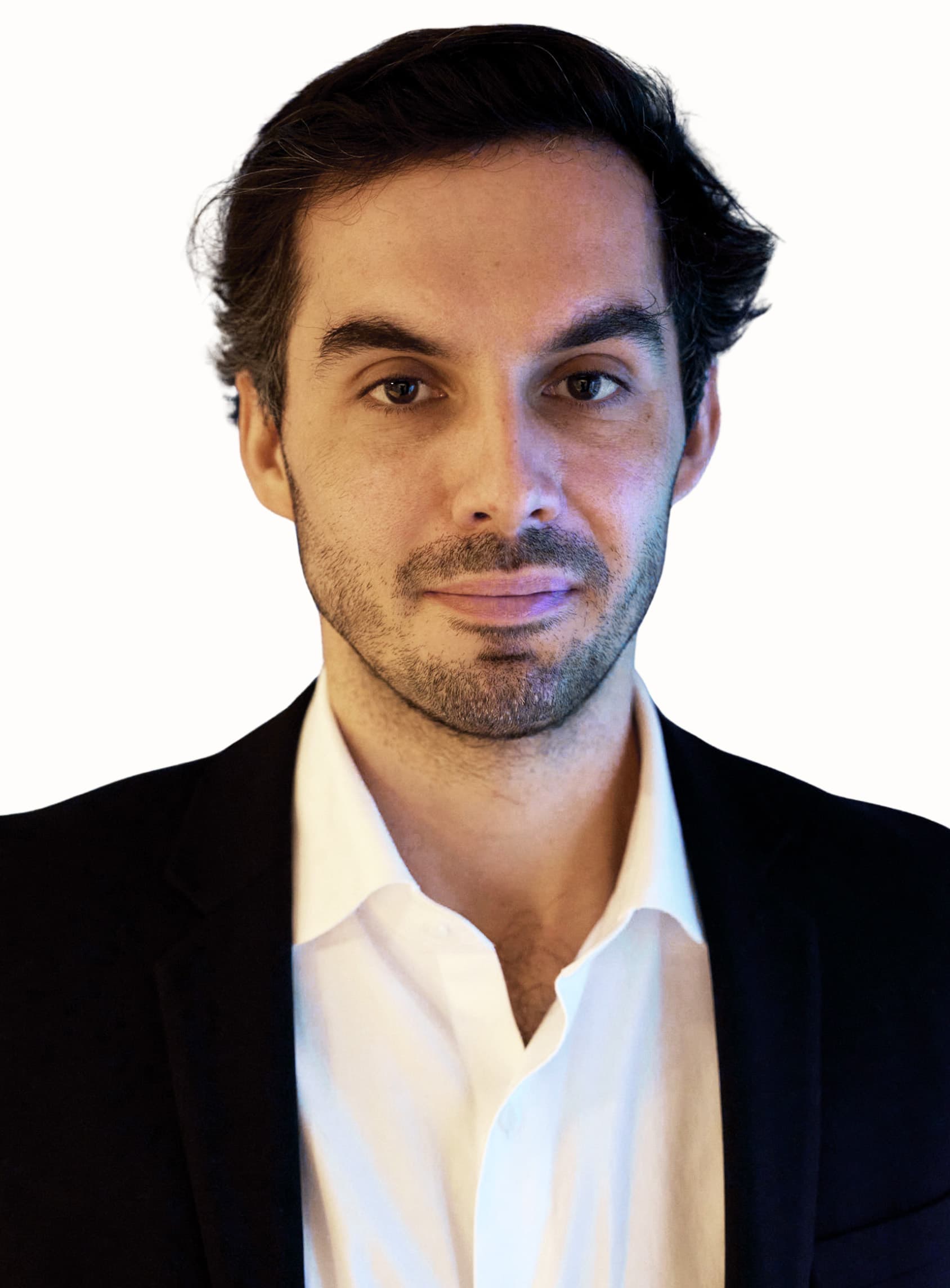
Romain holds a PhD in sustainable finance and brings deep expertise in ESG issues and their integration into economic and financial analysis. His research has focused on the evolution of investment practices and the growing weight of sustainability criteria in financial decision-making. At BeMaterial, he designs the methodologies and tools that allow ESG issues to be handled with rigour and efficiency, especially through automation and AI. His objective is simple: turn the complexity of ESG frameworks into clear, reliable methods companies can actually use.
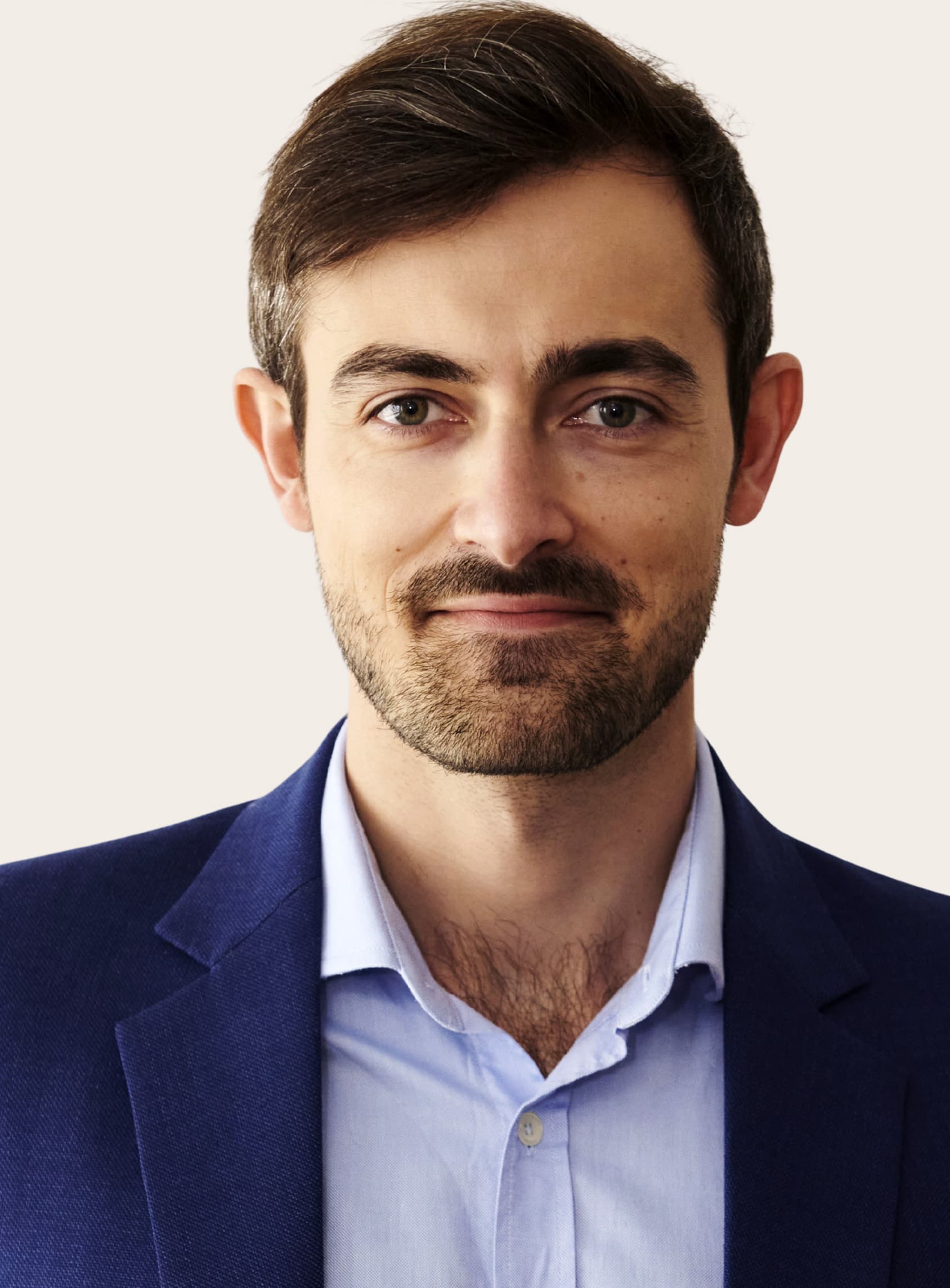
With a background in M&A advisory, François brings a financial and strategic lens to ESG issues. Accustomed to analysing business models, risks and value-creation paths, he approaches sustainability as a decision-making and trade-off issue for executives. At BeMaterial, he helps companies build sustainability approaches that are genuinely connected to their economic priorities: clarifying what matters, integrating financial materiality and putting robust, manageable frameworks in place. His method applies the analytical discipline of corporate finance to ESG so it becomes a real management and decision tool.
What we see
Across our respective careers, we have both witnessed the same shift.
Whether in sustainable finance or corporate finance, the same reality has become increasingly clear.
ESG issues now play a much larger part in how companies are run.
They are no longer just communication or compliance topics.
They now affect very concrete aspects of the business:
- access to certain tenders
- expectations from investors and lenders
- the management of operational risk
- the overall perception of a company's robustness
In other words: sustainability has become a matter of competitiveness.
Sustainability, still treated as a reporting exercise
And yet, in many organisations, sustainability is still seen as a burden.
It often takes the form of a stream of external demands.
Customer questionnaires
your practices, evidenced one by one
EcoVadis assessment
policies, actions and evidence, every year
Sustainability report
a year of progress to account for
Investors and banks
ESG indicators to submit
Regulatory requirements
new obligations to keep up with
And the following year, it starts all over again.
A lot of effort to produce information
But rarely a clear sense of priorities
The result: sustainability gradually becomes disconnected from strategy and from the company's real economic priorities.
The vision behind BeMaterial
At BeMaterial, we start from a simple belief.
Sustainability must be tied to the company's economic priorities.
When it is treated purely as a reporting exercise, sustainability absorbs a lot of effort without necessarily creating value for the business.
Our approach is to put materiality back at the heart of the process. In other words: identify the ESG issues that genuinely influence the company's performance, risk profile and trajectory.
In practice, that means:
- structuring ESG information and requirements
- identifying the issues that truly deserve priority
- focusing effort where it creates the most impact
In other words: making sustainability genuinely material.
Your business priorities
Customer questionnaires
your practices, evidenced one by one
EcoVadis assessment
policies, actions and evidence, every year
Sustainability report
a year of progress to account for
Investors and banks
ESG indicators to submit
Regulatory requirements
new obligations to keep up with
A clear sense of priorities
What we won't do
We don't do cosmetic sustainability.
Creating window-dressing documents to answer EcoVadis misses the point, and stores up real problems for later.
The assessment is an excellent way to expose the gaps: we use it to build a short-, medium- and long-term roadmap, and to move the approach forward for real.

 Romain Berrou and François CegarraPartners
MyEcovadis and MyReporting
Why we build our own tools
François CegarraPartner- 1
Start from our clients' real problems
Every feature answers a difficulty we have met on an engagement.
- 2
Stay in control
Of how they are designed and how they evolve.
- 3
Not add another cost line
Our tools are included in our engagements, or cost far less than the platforms on the market, with advice included.